
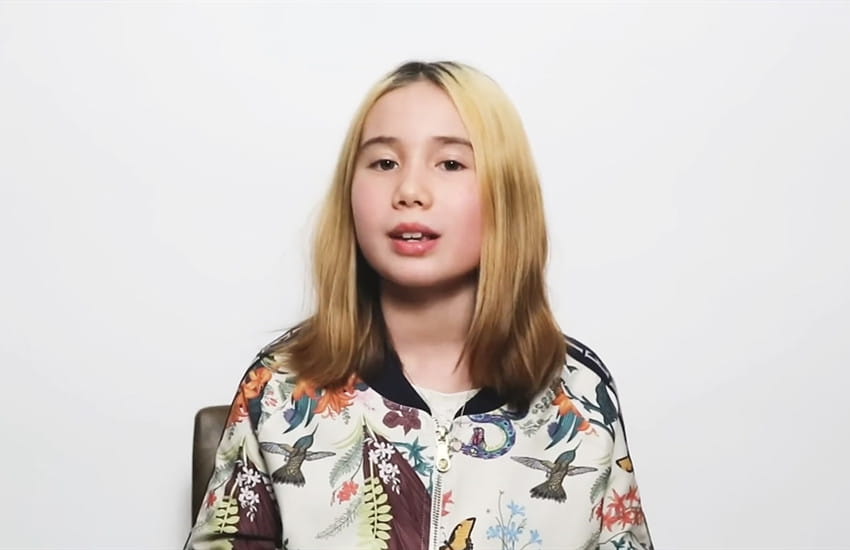
Lil Tay OnlyFans: Verified Account, Viral Fame, and Public Comeback
Lil Tay is one of the more unusual internet figures of the last decade. She first became famous as a child through loud, luxury-focused viral videos, then disappeared from regular public view before returning years later with music, interviews, health headlines, and a new adult public image. That history is why searches around her name draw so much attention and why readers should rely on official links instead of rumor pages or copied profiles.
Account Status
Status Label: Verified Account
Reviewed Page: onlyfans.com/liltay
Summary: The @liltay page is publicly connected to Lil Tay through her verified public link hub and media coverage of her 2025 launch after turning 18.
Who Is Lil Tay?
Lil Tay is a Canadian-American internet personality and music artist who became widely known online at a very young age. Her real name has been publicly reported as Claire Eileen Qi Hope, and she has also used Tay Tian in public-facing profiles. She first drew major attention in 2018 through short viral videos built around a bold luxury persona, money-focused lines, and an attitude made for social media reaction clips.
Her early fame was fast, loud, and controversial. Some viewers saw the videos as internet comedy or performance. Others were uncomfortable with how young she was and questioned who was managing the image behind the scenes. That mix of curiosity and concern made her more than a quick viral name. She became part of a larger conversation about child influencers, online pressure, family control, and what happens when a public image forms before a person is old enough to fully shape it.
After her first wave of fame, Lil Tay mostly stepped away from regular public posting. Still, her name kept coming up online because her story was never just about one viral clip. People remembered the expensive cars, the houses, the catchphrases, the family questions, and the sudden silence that followed.
How Lil Tay Became a Viral Internet Figure
Lil Tay’s early public image centered on the phrase “youngest flexer.” Her videos used the same ingredients that often drive viral attention: confidence, shock value, wealth imagery, and short clips that were easy to share. The persona was direct and exaggerated, which made it spread quickly across Instagram, YouTube, and repost pages.
The timing also mattered. In 2018, online audiences were already used to fast-moving influencer culture, but Lil Tay stood out because of her age. She was not just another creator posting luxury content. She was a child performing a version of adult internet brag culture, and that made the reaction much stronger.
Her rise showed how quickly the internet can turn a person into a character. Viewers repeated the lines, shared the clips, and debated the story behind them. That early image became so recognizable that it followed her even after she stopped appearing regularly in public.
Her Return to Public Attention
Lil Tay returned to major public attention in 2023 after a false statement appeared on her social media claiming that she and her brother had died. The claim was later rejected as false, and Lil Tay said her account had been compromised. The incident caused confusion, concern, and a new wave of coverage because many people had not heard from her in years.
That moment changed the way many readers looked at her story. It was no longer just about old viral videos. It became about account control, misinformation, family conflict, and the risks that come with being a famous name online even during years of silence.
After that, Lil Tay began appearing again in public interviews and online updates. She spoke about personal struggles, health issues, and her effort to control her own image as she moved into adulthood. Her return has been closely watched because people are not just reacting to a current creator. They are reacting to someone they first saw grow up under intense public attention.
Lil Tay’s Music and Current Public Brand
Lil Tay has also presented herself as a music artist. Her public profiles and link hubs point to platforms such as Instagram, TikTok, YouTube, Spotify, and Apple Music. This broader online presence matters because it shows that her current brand is not limited to one subscription page or one headline.
Her music and public posts still carry the confidence that made her famous, but the context is different now. The old “youngest flexer” image came from childhood internet fame. Her current public brand is built around an adult comeback, independence, and control over how she is seen.
That shift is important. Lil Tay is not starting from a blank page. Every new post, platform, or public move is viewed through the memory of her earlier fame. Some people follow because they remember the viral clips. Others follow because they are curious about the person behind the persona. That makes her online presence unusually layered compared with many newer creators.
Why Lil Tay Still Draws So Much Attention
Lil Tay’s name still gets attention because her public timeline is rare. She became famous as a child, vanished from everyday internet conversation, returned after a shocking false death claim, and then reintroduced herself as an adult public figure. Each stage added a new layer to how people understand her.
There is also a strong nostalgia factor. Many people who saw her early videos remember them as part of a specific internet era. The luxury-flex clips, repost pages, reaction videos, and influencer drama of that period shaped how young viral stars were discussed. Lil Tay became one of the most memorable examples of that moment.
Her story also raises real questions about growing up online. A young creator can become famous quickly, but the image that made them famous may stay attached to them long after they change. Lil Tay’s current public life shows how difficult it can be to move forward when old clips, old headlines, and old assumptions are still easy to find.
Impersonation Risks Around Lil Tay
Lil Tay is a high-risk name for impersonation because she is recognizable, controversial, and often searched during news cycles. Fake pages can take advantage of that attention by copying her photos, using similar usernames, or creating posts that look connected to her public image.
Readers should be careful with pages that promise free access, private leaks, special discounts, or secret content. These offers often lead to unsafe redirects, fake payment forms, phishing pages, or stolen material. They may also use copied profile pictures and familiar language to seem more believable than they are.
A safer approach is to start from Lil Tay’s own verified public profiles or link hub and check that the domain and username match before entering payment details. The reviewed page is linked above in the status box for clarity. Pages that rely on misspelled names, extra numbers, strange redirects, or pressure-based wording should be treated with caution.
Lil Tay and the Bigger Conversation About Online Fame
Lil Tay’s story fits into a bigger conversation about what internet fame can do to young public figures. Her early videos were watched, shared, criticized, defended, and mocked by millions of people. That kind of exposure can shape a public identity before a person has much control over it.
By the time she returned as an adult, many people already had a fixed idea of who Lil Tay was. Some remembered the loud luxury persona. Some remembered the family controversy. Others remembered the false death announcement and the confusion around it. That makes her current public work different from a creator who begins as an adult without years of viral history attached.
Her current online presence is best understood as part of that longer timeline. It is not just a platform update. It is a public rebrand from someone whose name was already tied to internet fame, criticism, and curiosity long before she reached adulthood.
Final Note
Lil Tay’s public story is bigger than one account. She became known through viral internet culture, spent years away from regular public posting, returned after a widely reported false death claim, and has continued building a public identity through music, social platforms, and adult creator work.
Readers should use verified public profiles and official link hubs when checking creator accounts. Be careful with copycat usernames, fake “free access” offers, suspicious redirects, and pages that ask for payment or login details outside the normal platform process.
OnlyFansCheck.com is an independent informational website. It is not affiliated with, endorsed by, sponsored by, or operated by OnlyFans, Fenix International Limited, or any creator mentioned in this article. All names, brands, and trademarks belong to their respective owners. This article is provided for general informational and online safety purposes only. Account links, usernames, and public information can change at any time.
Last Reviewed: June 4, 2026
image source: today.com